
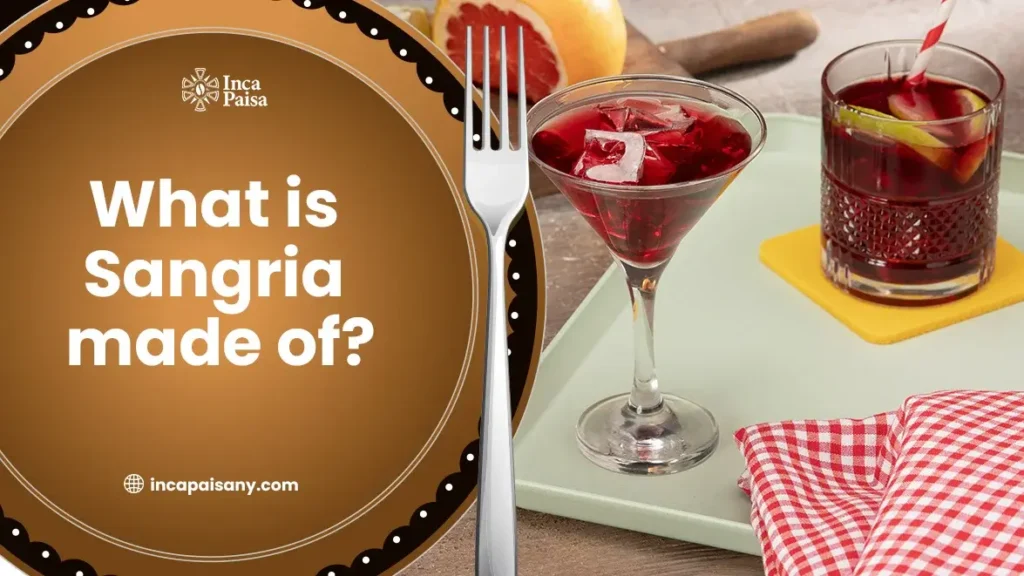
Have you ever wondered what makes sangria taste so refreshing and full of character? At first glance, it seems like just wine with fruit. Once you dig into it, you find what is sangria made of. Sangria always starts with wine as its base, most often a fruity red like Tempranillo or Rioja. Whites and sparkling Cava can also be used as a lighter finish. Aroma and sweetness are added by fresh fruit like oranges, lemons, apples, pears, berries, and peaches. A small amount of sugar or honey is useful in leveling acid. Brandy or orange liqueurs are added to provide depth. The scent is elevated by herbs, such as mint or cinnamon. It becomes refreshing, with a splash of soda and ice.
Ingredients Typically Found in Classic Sangria
Here are the ingredients that make this drink so unique:
-
Wine Base: The Foundation of Sangria
Sangria really starts with the wine you choose.
| Ingredient | Role | Notes |
| Red Wine | Main drink; color and body | Use fruity, affordable Tempranillo or Rioja to highlight fresh fruit. |
| White Wine | Light, crisp base | Dry white wine gives a bright canvas that plays well with citrus and summer fruits. |
| Sparkling Wine | Adds party bubbles | Add this last so the bubbles haven’t dissipated when you serve your sangria. |
| Rosé Wine | Pretty, berry‑flavored | Rosé provides a soft pink color and matches red fruits beautifully. |
-
Fresh Fruits for Flavor and Aroma
Fruit does more than look pretty bobbing in wine.
Citrus fruits
- Oranges
- Lemons
- Limes
Other fruit options
- Apples
- Pears
- Berries
- Stone fruits like peaches
Seasonal fruit choices
- Summer berries bring brightness
- Fall pears add warmth
- Seasonal freshness lifts the drink’s profile
-
Sweeteners and Flavor Enhancers
Balancing wine’s acidity and fruit’s tang often needs a little sweetness.
Sugar
- Granulated sugar is mixed directly into the wine.
Honey or simple syrup
- Dissolves easily and adds smooth sweetness.
Fruit juices
- Orange or apple juice adds flavor and sweetness.
Balancing acidity
- Sweetness should enhance, not overwhelm.
-
Spirits and Liqueurs for Added Depth
Many authentic sangria recipes include a spirit to enrich flavor.
Brandy
- Traditional fortifier that deepens richness.
Orange liqueurs
- Triple Sec or Curaçao amplifies citrus notes.
Other alcohol additions
- Optional spirits adjust strength and profile.
-
Herbs, Spices, and Aromatics
Aromatics should only hint at complexity, not dominate.
Spices
- Cinnamon sticks
- Cloves or nutmeg (optional)
Fresh herbs
- Mint or basil for brightness
Use sparingly
- Too much can overpower fruit and wine.
-
Fizzy Elements and Dilution Options
Carbonation and chilling give sangria its refreshing vibe.
Soda water or sparkling lemonade
- Light fizz and texture.
Tonic (optional)
- Adds a gentle bitter edge to balance the sweet.
Ice
- Cool and slightly dilute the drink as served.
-
Resting, Mixing, and Serving Style
You’ve probably noticed the best sangria isn’t rushed. That’s because resting lets flavors unfold.
Chilling and resting time
- Let assembled ingredients sit for at least a couple of hours.
- Fruit juices infuse the wine, mellowing sharp edges.
Serving vessels
- Pitchers or punch bowls showcase fruity color and encourage sharing.
Fruit in each glass
- Scoop fruit into glasses as you serve so every pour feels complete.
-
Popular Sangria Variations and Modern Twists
Sangria is very versatile, and these are popular modern variations.
White sangria
- Uses white wine, lighter fruit, and citrus.
Rosé sangria
- Rosé wine with berries and stone fruit.
Fruit‑forward seasonal sangrias
- Autumn: apple and pear
- Summer: berry blends
Non‑alcoholic alternatives
- Dealcoholize wine or juice with soda water for fizz.
-
Garnishes and Presentation Enhancements
Here’s where you make sangria beautiful and not just tasty.
| Garnish Type | Role | Notes |
| Extra Fruit Slices | Visual & flavor boost | Bright look and immediate aroma at first sip. |
| Fresh Herb Sprigs | Aromatic touch | Adds green, fresh accents to the drink’s scent. |
| Ice Considerations | Dilution control | Larger cubes chill without quick dilution. |
| Glassware Choice | Presentation impact | Clear glasses show the color and fruit. |
Conclusion
So what is sangria made of? It’s a thoughtful blend of wine, fresh fruit, sweetener, and sometimes spirits, herbs, or fizz. Start with a wine base that fits the flavor direction you want, then build up layers with fruit and sweeteners. Let everything rest together so the components meld. From classic red to sparkling white or seasonal twists, the idea is the same: balance and freshness. Serve sangria chilled with fruit in the glass and garnishes that make it feel lively and inviting. Taste your sangria and adjust sugar or alcohol until it’s refreshing, perfect for parties or a relaxed summer evening. Visit Inca Paisa best Peruvian restaurant in NYC to learn what makes sangria so refreshing.
Frequently Asked Questions
1. Is sangria very alcoholic?
Sangria may be either light or heavy based on the wine and the spirits used. Ice, fruit juice and soda generally tend to dilute it altogether.
2. Is sangria a healthy drink?
The fruit provides some of the vitamins in sangria, and the wine also has antioxidants. However, due to the sugar added to the drink and alcohol consumption, it is not very healthy.
3. Does sangria give you a hangover?
Excessive intake of alcohol such as the sangria may result in a hangover, particularly when combined with augmented levels of dehydration and sugar.