
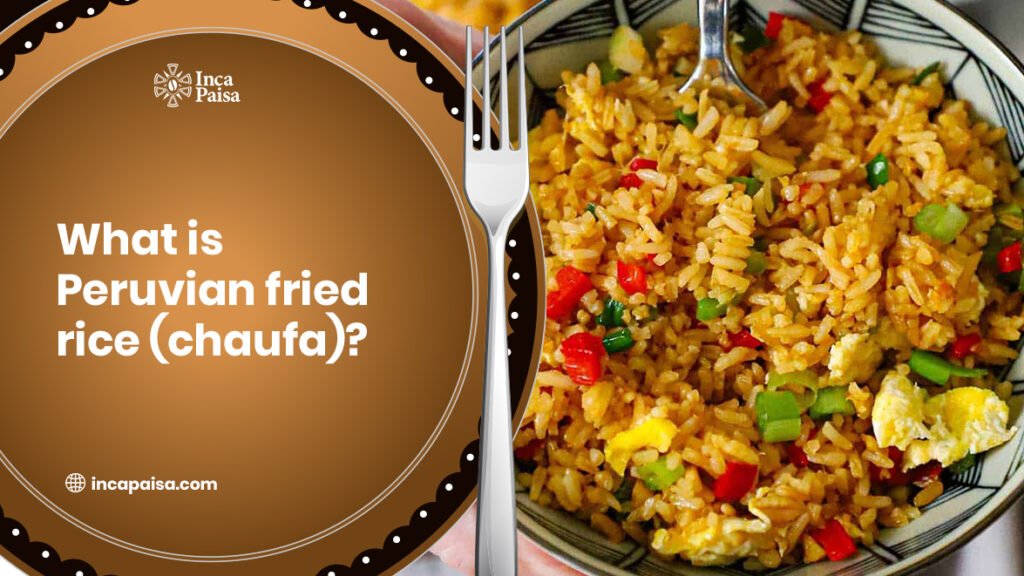
Introduction
Many people know about ceviche when it comes to Peruvian food, but only a few know about chaufa. Chaufa is fried rice from Peru, and the tale of its origin is as fascinating as the dish. Once you try it the right way, it becomes one of those things you find yourself craving regularly.
Core Takeaways
- Chaufa is Peruvian fried rice and a core dish of Chifa cuisine, which blends Chinese cooking techniques with Peruvian flavors.
- It was developed by Chinese immigrants in Peru, who adapted traditional stir-frying methods to local ingredients.
- The dish is built on day-old rice, eggs, soy sauce, garlic, and scallions, cooked quickly over high heat in a wok.
- Protein variations are common and include chicken, beef, pork, and seafood depending on the region and preference.
- The signature flavor comes from high-heat wok cooking, which creates a slightly smoky, savory profile.
- Chaufa is widely eaten across Peru and is considered both a comfort food and a staple menu item in Peruvian restaurants.
- Popular variations include chaufa de pollo, chaufa de carne, chaufa de mariscos, and chaufa aeropuerto (a mixed plate with lomo saltado).
What Is Chaufa and Where Does It Come From?
Chaufa is part of Chifa cuisine, which developed in Peru through Chinese immigrants (mainly Cantonese) who adapted stir-frying techniques and ingredients over decades in urban Lima.
Now, chaufa is at the heart of what Peruvians call Chifa, their name for the blend of Chinese and Peruvian food. You don’t have to find chaufa in Peru; it’s everywhere, from home kitchens to street carts and in just about every restaurant. Look at the menu in any of Bayside’s Peruvian restaurants and chaufa will be right there; it’s that much a part of Peruvian food culture.
What Goes Into a Traditional Chaufa
The ingredients list stays short but everything on it matters.
The Base Ingredients
You need day-old rice because fresh rice makes it up with a sticky, soggy mess. Rice that’s had a night in the fridge dries out, so it fries well and soaks up flavor without sticking together. Then you have got eggs, green onions and fresh ginger. Just those, and you already get that kitchen smell that tells you something good is cooking.
Proteins Commonly Used
Most people stick with chicken; it really picks up that smoky wok flavor and stays nice and tender if you don’t overdo it. Beef and shrimp are also popular; however, these versions are common in coastal areas of Peru because fresh catch is easy to get. Some people also prefer a mix of two proteins together because it’s hard to choose one.
The Sauces and Seasonings
Here’s where chaufa really becomes something special. It’s not just fried rice with some soy sauce tossed in. Three key players make the magic happen. First, soy sauce gives that salty bite and a deep brown color. Second, sesame oil adds a nutty layer. Last but not least, oyster sauce brings a mellow richness that you’d only notice is gone if someone skipped it. Every good Peruvian spot in Bayside uses all three without question. Some cooks add a small pour of rice wine at the end. It lifts the whole dish without announcing itself.
How Chaufa Is Made?
Chaufa isn’t tricky but every step counts.
Getting the Wok Ready
First, the wok needs to be scorching hot before anything goes in because this high heat is what gives a smoky flavor. A cold wok gives you limp and soggy rice which nobody wants.
Cooking the Protein
Start with oil, then toss in your protein: chicken, beef, shrimp, whatever you like. High heat gives a good color on the outside but keep it moving without overcooking the inside. Pull it out as soon as it’s done and set it aside.
Handling the Eggs
Crack the eggs straight into the wok. Scramble them quickly and don’t let them dry out. Some cooks push the eggs off to one side and start on the rice in the same pan.
Adding the Rice
Day-old rice is the secret here. Fresh rice is too wet and clumps together. Break it up as it hits the wok and keep it moving so every grain gets heat.
Seasoning and Finishing
At the end, soy sauce, oyster sauce and sesame oil go in along with the green onions. If you have ever had chaufa from one of the Best Peruvian restaurants in Bayside, you must know that the rice should look shiny, smell smoky and taste like everything’s working together. Not too salty, not too plain.
Popular Variations of Chaufa
Chaufa does not have only one recipe. Different proteins change the whole dish’s taste and each version has its own following.
Chaufa de Pollo
Everyone’s favorite, this has marinated chicken quickly stir-fried in a hot wok and then added to a bowl of rice with eggs, soy and green onions. The high heat infuses juicy flavor into the chicken. Those who have tried this dish once return for its well-rounded taste. Simple, familiar and easy to get right if it is done well.
Chaufa de Mariscos
The star in this version is seafood! It has shrimp, squid and sometimes octopus that go into the wok to stir-fry. It cooks quickly because seafood overcooks fast. Mild smoky flavor from the wok, but not as heavy as chicken or beef. Seafood versions are lighter in texture compared to beef or chicken variations.
Chaufa de Carne
Beef is the main lead in this version and goes in as thin slices so they cook fast without getting tough. The meat gives this version a richer and heavier flavor compared to the other proteins. It pairs well with the soy and sesame base because beef holds up to bold seasoning. This dish is a perfect choice when someone wants something more filling and satisfying after a long day.
Chaufa Aeropuerto
This one is different as it combines fried rice with lomo saltado, which is Peruvian stir-fried beef with tomatoes, onions and peppers. The name comes from airport restaurants in Lima that served it to travelers who could not decide between the two. If you visit a Peruvian chicken restaurant in Bayside, ask if they serve aeropuerto. It’s two classics in one and, hands down, the most over-the-top, satisfying version out there.
Conclusion
Chaufa is among those dishes with real stories. It was born out of necessity, passed through generations, and found its way to the heart of Peruvian food culture. Ingredients are simple, but the technique is what makes a good plate one that will be remembered.
If you have never tried it, you are missing something worth knowing about. And if you are in New York, skip the guesswork. Head to Inca Paisa and order a plate. Sometimes the easiest way to understand a dish is to just eat it somewhere they actually do it right.
Read Also: What are the most popular Peruvian spices and sauces?
FAQs
Is chaufa spicy?
Chaufa is not a spicy food. The main flavors are provided by soy sauce, sesame oil and ginger. Some versions may have a mild kick depending on the cook.
What protein goes best with chaufa?
Chicken is the most popular choice and works well for first-timers. Seafood is lighter and brings a cleaner flavor. Beef adds richness and holds up well to the soy base.
Is chaufa a main dish or a side?
Chaufa can be served as both a main dish and a side dish. It usually includes rice, eggs, and a protein. This could include chicken, beef, or seafood. So most people consider it a main course.