
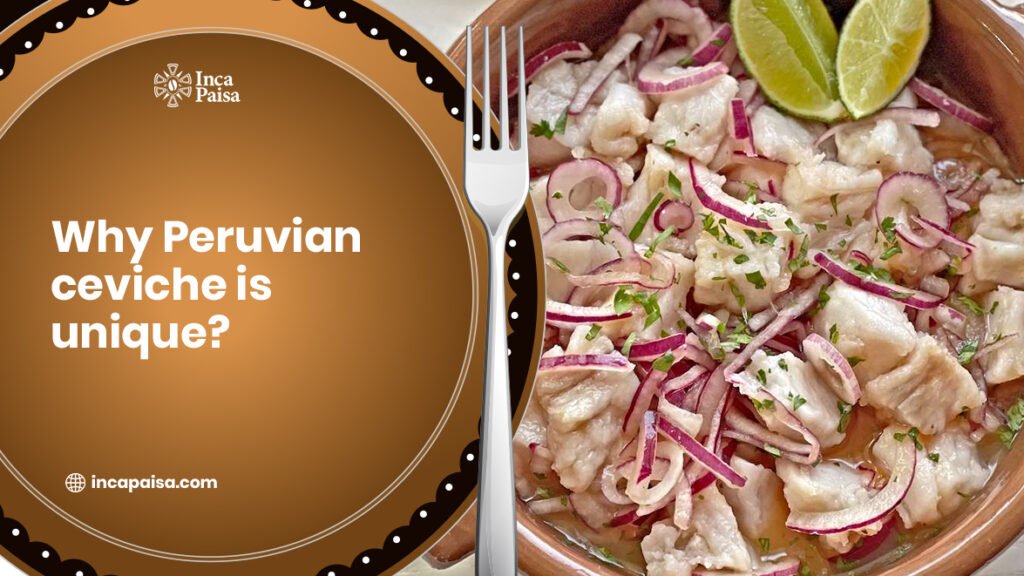
Visit any trendy restaurant today, and you’ll likely find ceviche on the menu. Mexican, Hawaiian and fusion versions have become common everywhere. However, Peruvian ceviche cooks by its own set of rules. It has an identity and flavor that stand out. If you try it side-by-side with any other style, you feel the difference immediately. There’s a magic working in that bowl, distinct within global seafood preparations.
Core Takeaways
- Peruvian ceviche is unique because it uses lime juice to cure fresh fish without any heat, creating a bright texture that stays tender rather than fully “cooked.”
- It stands out for its signature balance of fresh seafood, chili (often Aji Amarillo), red onion, and the flavorful Leche de Tigre marinade that defines its taste profile.
- Unlike other versions, it emphasizes very short marination time and precise technique, which preserves the natural texture and freshness of the fish.
What Is Ceviche and Its History
Ceviche is a seafood dish made by curing fresh raw fish in lime juice. This changes the texture of the fish through acidity. Not heat. The result is a firm, bright, and citrus-forward dish. One that is typically served cold.
The origins of ceviche trace back over two thousand years to Peru’s coastal civilization. The fish was preserved using local acidic fruits such as tumbo before citrus was introduced by Spanish settlers. Over time lime juice replaced native fruits and ingredients like onion and chili were incorporated. This shaped the modern form of the dish.
Today ceviche is considered one of Peru’s most important cultural foods. In 2004, it was officially recognized as part of Peru’s National Cultural Heritage. This reflects its deep historical & cultural significance along the coast.
What Makes Peruvian Ceviche Different From Other Versions
Peruvian ceviche is defined by its very short curing time. This keeps the fish tender as well as lightly “cooked” by citrus rather than fully firmed or over-marinated. In contrast, some other regional styles allow the fish to sit longer in citrus. The result? A firmer texture.
A key component of the Peruvian version is Leche de Tigre. It is often consumed as a flavorful broth. This highlights the intensity of the seasoning and seafood essence. It’s usually available at any good Peruvian restaurant near me in New York.
Another distinguishing element is the use of Aji Amarillo. This is a Peruvian yellow chili that adds fruitiness as well as mild heat. While not present in all ceviche traditions, it is commonly used in modern Peruvian interpretations and contributes to its signature flavor profile.
The Ingredients That Define Authentic Peruvian Ceviche
Every ingredient in Peruvian ceviche earns its place. Nothing is there for decoration and nothing can be swapped out without changing what the dish actually is.
Fresh Fish Is Non-Negotiable
The fish needs to be fresh, which means it was caught the same day. Not refrigerator fresh from yesterday. The fish only sits in the marinade for a few minutes. Sea bass is the traditional choice but flounder and other firm white fish work well too. Frozen fish gets used sometimes and it can get the job done but the texture always gives it away. The best Peruvian restaurant in New York uses fresh fish because the short marinade time leaves nowhere to hide anything that is not at its peak.
Aji Amarillo Brings the Heat and Depth
Aji Amarillo is what makes Peruvian ceviche taste like itself and nothing else. It is a yellow chili native to Peru with a fruity flavor and medium heat that sits underneath the citrus. The depth it adds is real and no other pepper gets close to replicating it. Swap it out and you have made a different dish entirely.
Red Onion and Cilantro Keep It Bright
Red onion goes in thin slices and is soaked in cold water first to knock the raw sharpness back. Cilantro gets added fresh right at the end. Together, they cut through the fish and balance out the Aji Amarillo so the bowl stays clean and lively. Pull either one out and the whole flavor balance shifts.
Sweet Potato and Corn Are Not Decorations
Sweet potato and choclo corn show up on the plate for a reason. Take a bite of ceviche and follow it with a piece of sweet potato and the acid and heat settle down immediately. The corn adds something to chew on between bites. Plates that leave these out or push them to the edge are missing a real part of how the dish is supposed to work.
Regional Variations of Peruvian Ceviche
Most people imagine one standard version when someone mentions Peruvian ceviche. But honestly, the dish shifts a lot depending on where you are in Peru.
Lima Style: The Classic Benchmark
This is the version that put Peruvian ceviche on the map. You get fresh sea bass, Leche de Tigre, Aji Amarillo, thin slices of red onion, cilantro, sweet potato, and choclo corn. Everything you need, all together on one plate. Everything is bright and acidic-forward. The fish marinates for minutes and the bowl arrives cold. Lima style is what most Peruvian restaurant Queens menus serve and it is the version that most people outside Peru have tried at least once.
Amazonian Ceviche: A Completely Different Fish Story
Head into the Amazon and the dish looks nothing like what Lima produces. You won’t find ocean fish; instead, it’s all about river fish, usually paiche. This fish is huge and has thick, white meat that soaks up the marinade perfectly. The taste comes across as earthier, and the heat kicks in from local chilies, not from the usual Aji Amarillo. Sure, it’s still ceviche but in the Amazon, it stands on its own. It feels like its own dish rather than just a variation of something else.
Northern Coastal Versions: What Sets Them Apart
Head up to Piura or Tumbes on Peru’s northern coast and the ceviche looks and tastes noticeably different. Local seafood dominates up there and shellfish often gets mixed in with the fish. The marinade pulls back on the acid and picks up more complexity from different chili combinations. Some versions use herbs and aromatics you would never find in a Lima bowl. Put a northern coastal ceviche next to a Lima-style one and most people notice the difference on the first bite without anyone having to explain it.
Read Also: How to recognize authentic Peruvian restaurants?
Conclusion
Peruvian ceviche isn’t just any seafood tossed in lime juice. There’s a real technique to it, fresh ingredients, a touch of history, and a whole lot of pride. Try it once and you get why Peru defends its ceviche with such passion.
Ready for the real deal? Head over to Inca Paisa in Astoria or Bayside. Our ceviche shows you exactly how it’s supposed to taste. You will know the difference as soon as you take the first bite.
FAQs
Is Peruvian ceviche served hot or cold?
It’s always cold. The fish “cooks” in citrus juice, and chefs serve it right away, never warmed up or sitting around.
What fish is traditionally used in Peruvian ceviche?
Sea bass is the classic pick, but any firm, super-fresh white fish like flounder works well. Freshness isn’t optional; it’s the heart of the dish.
How long should ceviche marinate?
Just a few minutes. That’s it. If you let it sit too long, the texture falls apart and you lose everything that makes Peruvian ceviche so good.