
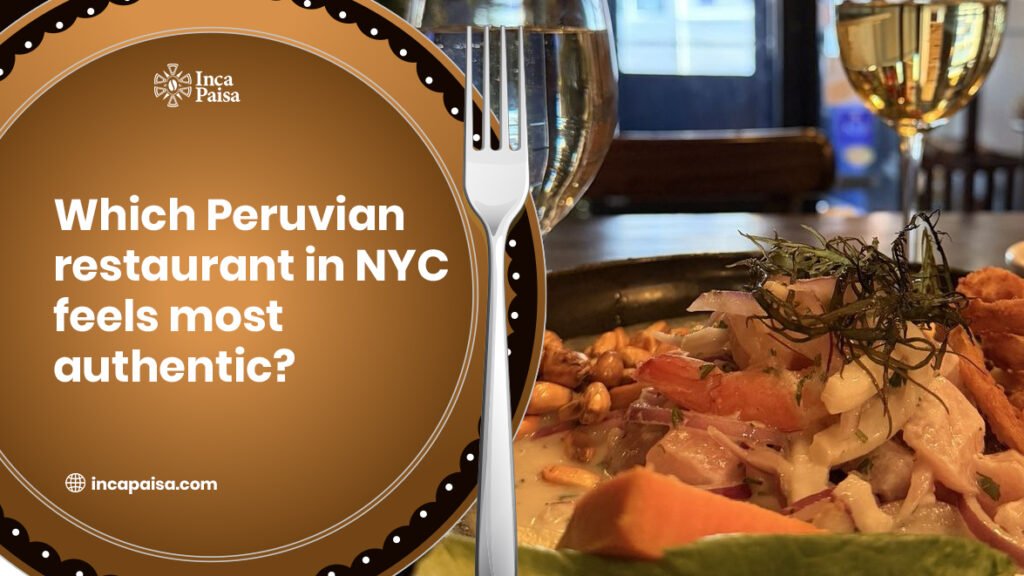
You can tell which Peruvian restaurant in NYC is authentic in the first few bites. A real Peruvian place uses real ingredients, not shortcuts, doesn’t limit its menu to rotisserie chicken, and actually showcases the regional variety Peruvian food is known for. Once you know what to look for, spotting the real thing from a diluted version is a lot easier.
Experience the bold flavors of Peru and Colombia at our Bayside restaurant today.
Core Takeaways
- Restaurant authenticity isn’t about decor or how a place brands itself. It’s about ingredients and the depth of the menu.
- A kitchen that only serves pollo a la brasa misses out on most of what Peruvian food really is.
- A menu with coastal, Andean, and Amazonian dishes is a sign of a kitchen that has the whole picture.
- Ask staff some direct questions, and they can tell you more than any menu description ever will.
- The watered-down versions tend to recycle the same handful of red flags.
What “Authentic” Actually Means When It Comes to Peruvian Food
People throw the word around a lot without actually defining what they mean by it. It’s not about how traditional a place looks or what music they’re playing. It’s down to whether the food really reproduces how Peruvians cook, the ingredients, the techniques, and the variety of dishes on offer. Really authentic food can come out of the most unassuming place. A flashy, well-decorated one can just as easily be cutting corners where it matters.
Ready to dine? Explore our menu and enjoy authentic Latin cuisine for lunch or dinner.
Signs a Peruvian Restaurant Is the Real Deal
A handful of details tend to separate the real thing from something built for broader appeal.
The Menu Isn’t Overly Simplified
A genuinely authentic menu doesn’t shrink the cuisine down to three or four crowd-pleasers. It shows the actual breadth: appetizers, seafood, stews, and regional specialties, not just whatever’s easiest to explain to someone unfamiliar with the food.
Traditional Ingredients Instead of Substitutions
Aji amarillo, aji panca, and huacatay don’t really have substitutes. A kitchen that uses them consistently, instead of swapping in something more convenient, is putting in the effort that authenticity actually requires.
Dishes Beyond Just Pollo a la Brasa
Rotisserie chicken is popular for a reason, but it’s just one of hundreds of dishes. A Peruvian chicken restaurant in New York that is all about chicken and has no ceviche, no lomo saltado, no causa, is only showing a sliver of what the cuisine can do.
Family Recipes Passed Down, Not Just Trend Following
Most of the best Peruvian food comes from recipes passed down through generations, not ones that are trying to keep up with the latest trend. It shows in subtle ways, in the way a stock is built, in the length of time a stew actually simmers, details that are never included in the menu description but are reflected in the plate.
Common Peruvian Dishes That Signal a Kitchen Knows What It’s Doing
Some dishes are harder to fake well, and a kitchen doing them right says a lot.
Lomo Saltado
A stir-fried beef dish blending Chinese and Peruvian influences. Needs a hot wok and real technique to come out right. Soggy or overly saucy usually means the kitchen’s not handling the method properly.
Aji de Gallina
A creamy, aji amarillo-based chicken dish that lives or dies by the sauce. Too thin or too bland, and that’s usually a sign of skipped steps or a weaker pepper base standing in for the real thing.
Causa Rellena
A layered potato dish that needs the right texture and seasoning to hold together. A kitchen that pulls this off well pays attention to details that a lot of places skip entirely.
Anticuchos
Grilled skewers, often beef heart, that require real comfort with ingredients that a lot of American kitchens avoid. A place offering this confidently isn’t softening the menu for unfamiliar diners.
Ceviche and Tiradito
Both depend on genuinely fresh fish and getting the acid balance right. A rushed version is one of the easiest tells, since there’s nowhere for bad technique to hide in a raw fish dish.
Regional Differences That Show Up on an Authentic Menu
Peruvian food is very regional, so a menu that reflects that diversity is usually a good sign.
Coastal Peruvian Cuisine
Seafood-centric, ceviche, tiradito, rice dishes. This is the most popular style in the city, and what most Peruvian restaurants near me serve first.
Andean (Highland) Peruvian Cuisine
Built around potatoes, corn, and heartier stews like caldo de gallina. Not so typical of New York, but the inclusion of a couple of Andean dishes on a menu hints at some real depth behind the usual coastal lineup.
Amazonian Influences
Rare here, but can pop up through specific ingredients or preparations tied to Peru’s Amazon region. Not something you see on most menus, but if you do, it’s worth noting.
Questions to Ask That Reveal How Authentic a Place Really Is
A few direct questions will tell you more than the menu ever will.
- It’s often worth asking if the staff or ownership is Peruvian, as that can influence how seriously the kitchen takes regional authenticity.
- Inquire about the daily preparation of sauces and stocks in-house, as shortcuts here tend to be evident in the final flavor.
- Ask if the menu is representative of regional diversity or simply playing it safe with the few dishes everyone already knows.
Red Flags That Suggest a Watered-Down Version
A few patterns recur in places that prioritize broad appeal over the actual food.
Overly Americanized Portions or Flavors
Oversized portions or flavors dialed way back from what’s traditional usually mean the kitchen adjusted the food to fit expectations rather than staying true to the original.
Missing Staple Dishes Entirely
A Peruvian restaurant with no ceviche, no lomo saltado, and no aji-based dishes at all is missing the backbone of the cuisine, no matter how good whatever they do serve might be.
Generic “Latin Fusion” Branding
Places leaning on vague “Latin fusion” language instead of naming Peruvian techniques and ingredients specifically are sometimes blending cuisines together in a way that dilutes what actually makes this food distinct. A genuine Peruvian restaurant in New York that diners keep coming back to usually leans hard into its own identity instead of blurring it with everything else.
Conclusion
When it comes to finding a truly Peruvian restaurant in NYC, it’s really about paying attention to ingredients, menu depth, and a kitchen’s comfort with more than the basics. The best way is to just ask and taste for yourself to know for sure. No review can really replace that.
If you want that kind of experience, Inca Paisa restaurant sticks to traditional ingredients and recipes passed down through generations, from ceviche to lomo saltado to a proper aji de gallina. Visit and experience what real Peruvian food tastes like.
Read Also: Which NYC Peruvian restaurant has the best green sauce?
FAQs
What dishes should I order to test if a Peruvian restaurant is authentic?
Ceviche, lomo saltado, and aji de gallina are good tests, all of which require real technique and traditional ingredients that are hard to fake convincingly.
Does authentic mean more expensive?
Not always. There are plenty of authentic places that are casual and affordable, because price is usually more a function of ingredients and technique than presentation.
Can a restaurant be authentic and still adapt dishes for local tastes?
Yes. Minor adjustments for spice tolerance or ingredient availability don’t automatically render a place inauthentic, as long as the essential technique and flavor remain faithful to the original.